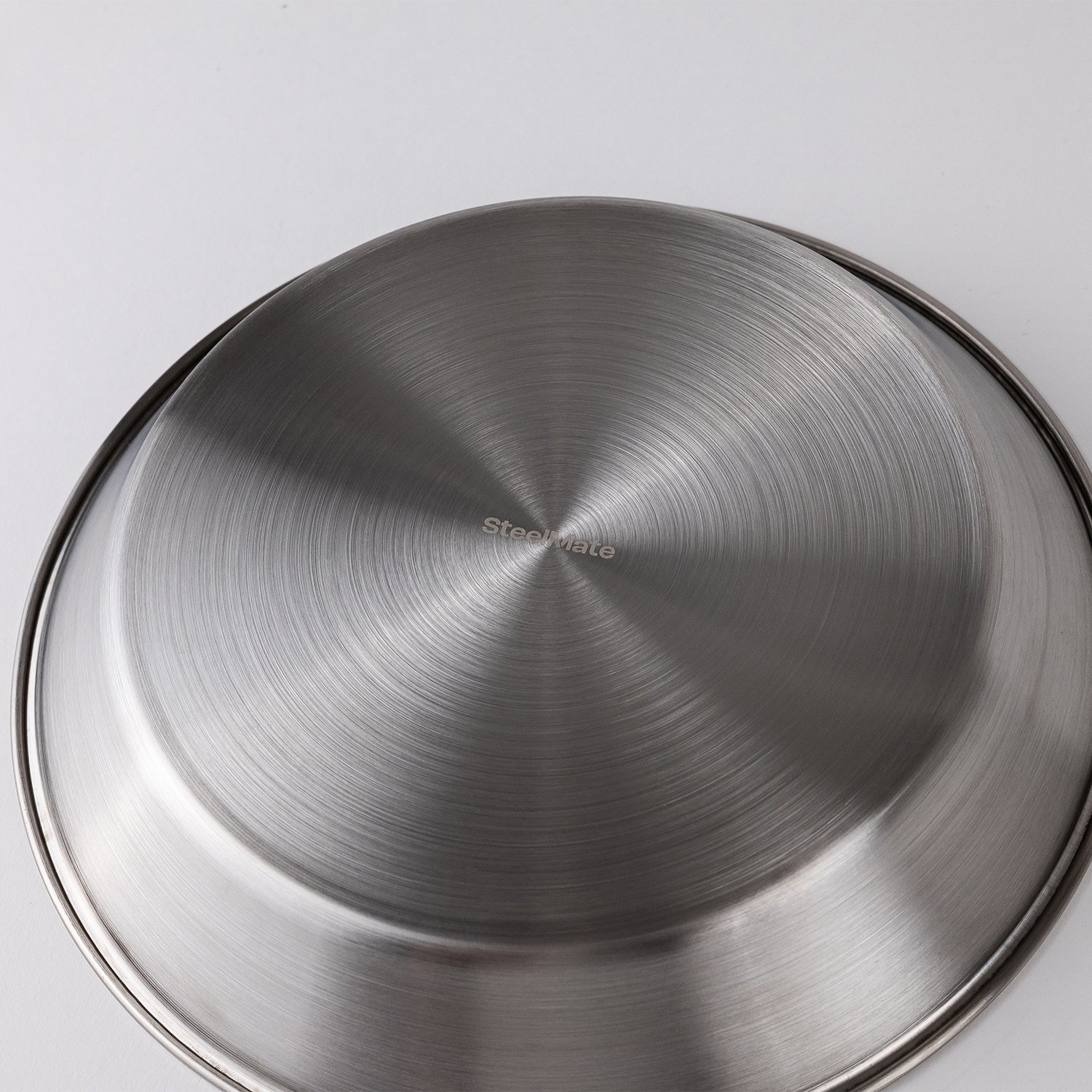
Stainless steel is found throughout the kitchen. It is a popular material for cutlery, pots, bowls, water bottles, lunch boxes, and other kitchen equipment because it combines strength, corrosion resistance, and a surface that is easy to keep clean.
But not all stainless steel is the same. There are different grades, and designations such as 304 and 18/8 often appear when looking at products for food and drink. In this guide, we explain the most important terms and the practical uses of stainless steel in the kitchen.
What is stainless steel?
Stainless steel is a group of steel alloys that contain chromium, among other elements. Chromium contributes to the formation of a very thin protective layer on the surface of the steel, making the material significantly more resistant to corrosion than ordinary steel.
This does not mean that stainless steel can never develop rust or discolouration. Salt, aggressive cleaning agents, prolonged exposure to moisture, foreign iron particles, and other factors can cause stains or corrosion under certain conditions.
For everyday kitchen use, however, stainless steel is a durable material when the appropriate grade is used for the product.
What is 304 stainless steel?
304 is one of the most widely used grades of stainless steel. It is used for kitchen equipment and products that come into contact with food, among other applications.
This grade of steel contains chromium and nickel and is known for its good corrosion resistance under normal conditions of use.
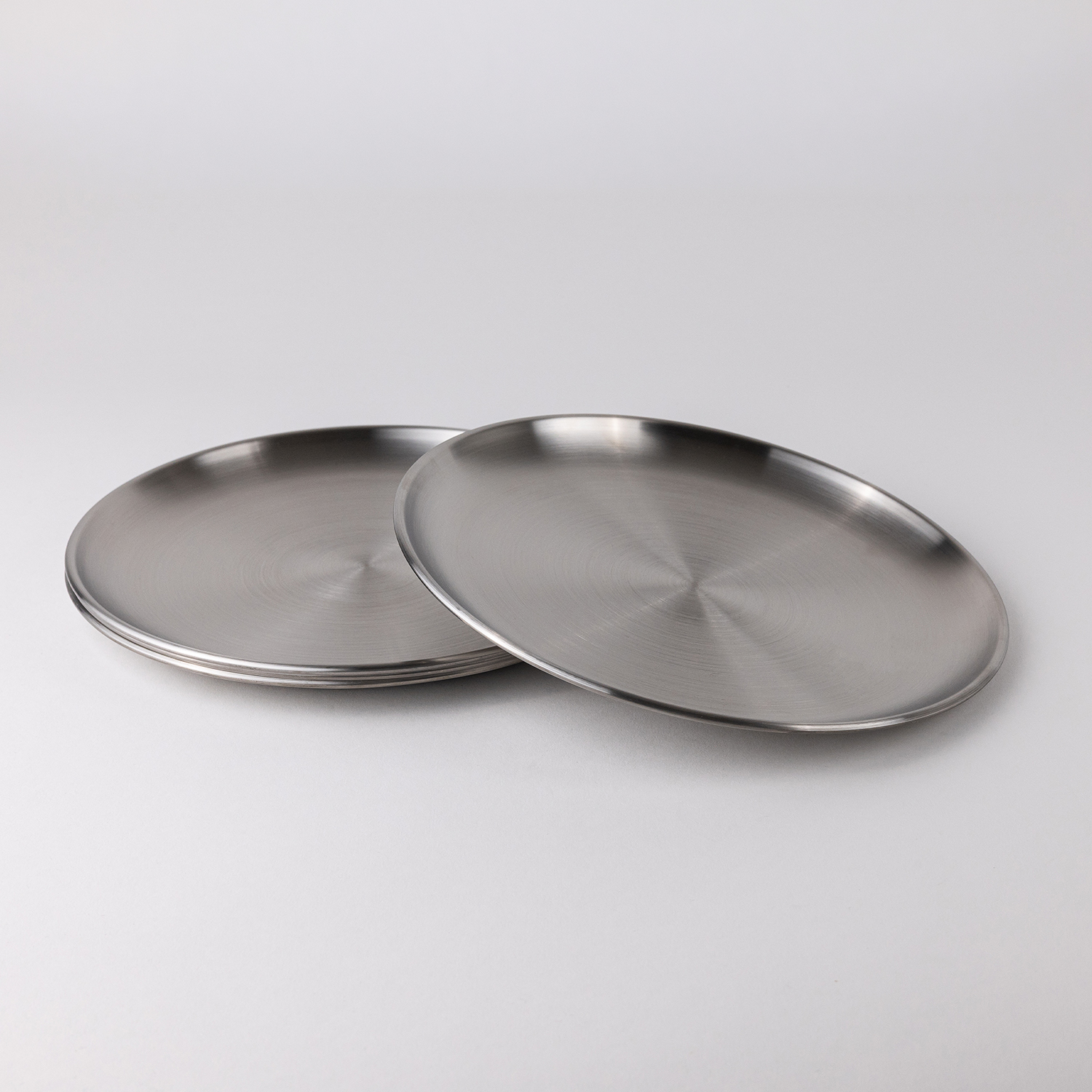
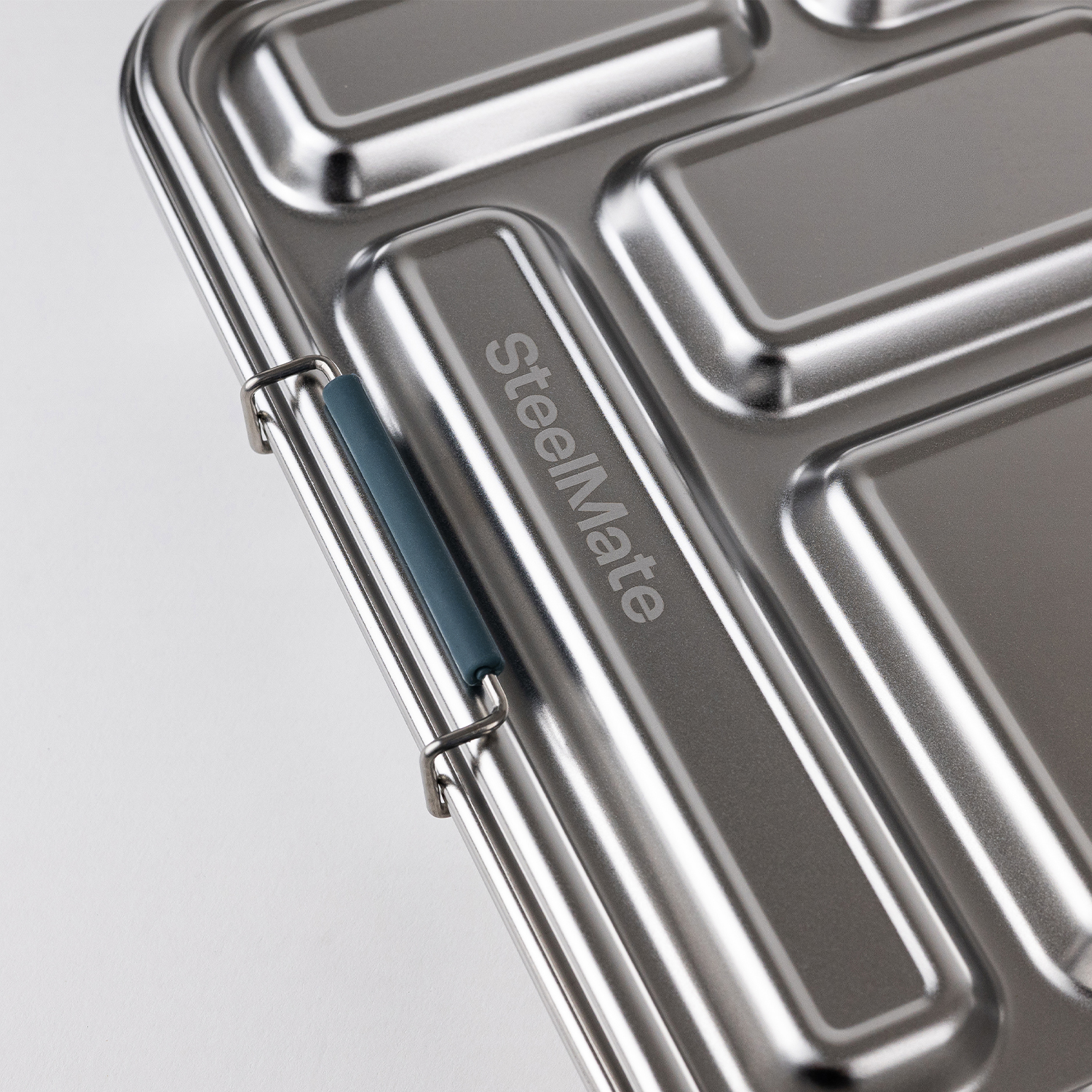
At SteelMate, 304 stainless steel is used in a range of products where the material's properties suit the intended function, including lunch boxes, drinking bottles, and stainless steel tableware.
What does 18/8 stainless steel mean?
The designation 18/8 refers to the approximate chromium and nickel content of the steel: around 18% chromium and 8% nickel.
304 stainless steel is therefore often referred to as 18/8 stainless steel. However, the two designations describe steel in different ways: 304 identifies a specific grade of stainless steel, while 18/8 describes the approximate composition of these two alloying elements.
Why is stainless steel used for kitchen equipment?
Stainless steel has several properties that make it well suited to products used every day.
The material is strong and retains its shape, withstands repeated cleaning, and has a smooth surface that is easy to keep clean. This makes it suitable for everything from plates and cutlery to containers for food and drinks.
Under normal conditions of use, stainless steel also generally resists absorbing colours, odours, and flavours from food. This is practical for products used with different types of food from one day to the next.
Stainless steel tableware for everyday use
A stainless steel plate, steel cup, or steel bowl differs from porcelain and glass primarily because it is much less susceptible to damage from impacts and drops.
This makes stainless steel tableware practical for families with children, as well as for holiday homes, camping, picnics, and other situations where tableware is moved around and used frequently.
The surface may develop scratches and signs of wear over time. This is normal for a stainless steel product and does not, in itself, mean that the product can no longer be used.
Stainless steel for lunch boxes and food storage
For lunch boxes, stainless steel provides a rigid, durable container that retains its shape inside a bag and can be used for many different types of food.
However, stainless steel itself does not make a lunch box leakproof. That depends on the design of the lid, seal, and closing mechanism.
This is an important distinction: the material tells you something about the container itself, while features such as leakproof performance depend on the complete product.
Stainless steel drinking bottles
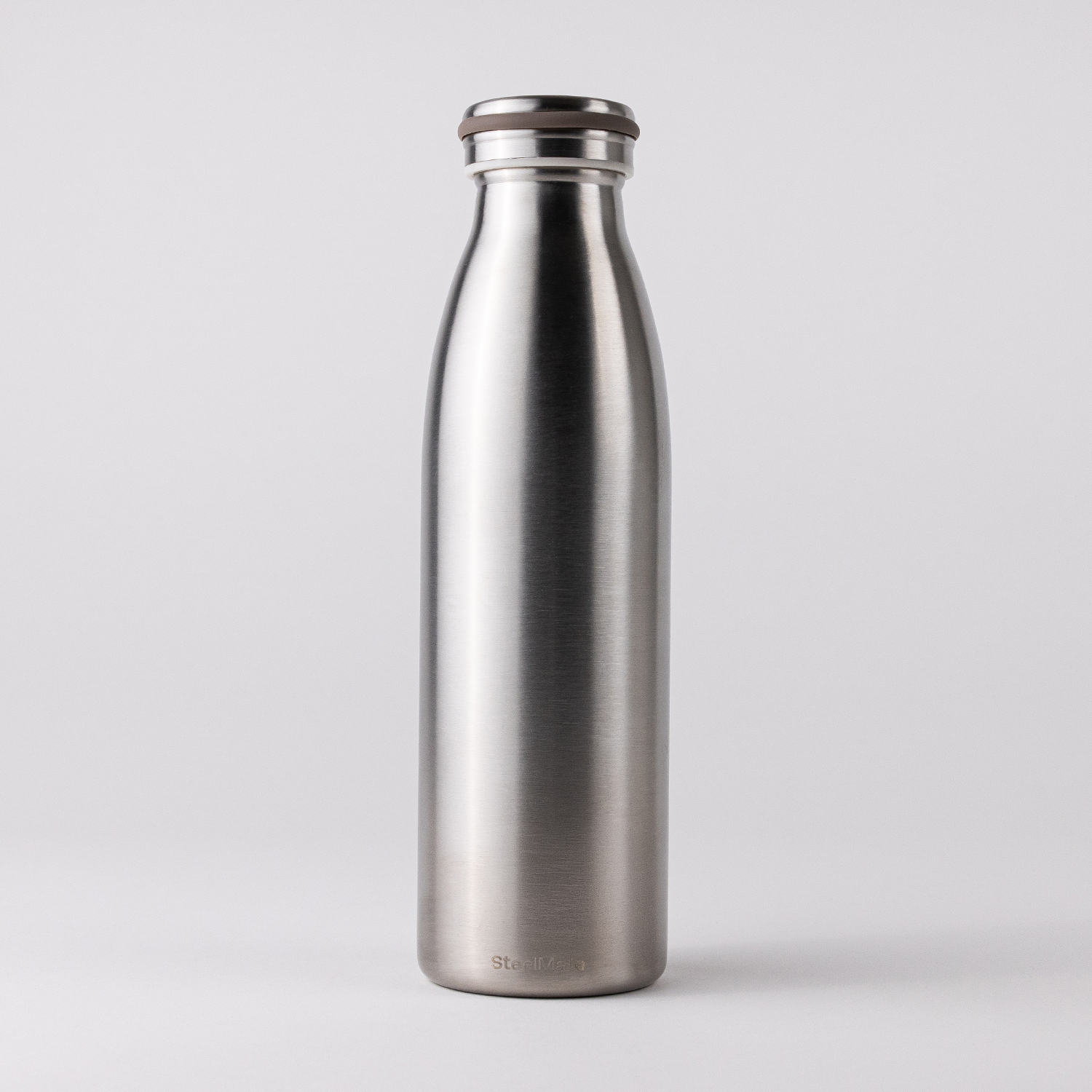
Stainless steel is also widely used for drinking bottles. The material provides a durable container that does not readily absorb flavours from different drinks.
However, a standard single-wall stainless steel bottle does not automatically insulate its contents. If a drinking bottle needs to keep water cold or coffee hot for an extended period, it requires an insulated construction, typically with double walls and a vacuum between them.
It is therefore the construction, not just the material, that determines whether a bottle functions as an insulated drinking bottle.
Can stainless steel be used for hot food?
Yes. Stainless steel is widely used for both hot and cold food. However, it is important to remember that steel conducts heat.
A single-wall plate, bowl, or cup can therefore become hot when its contents are very hot. For children, always check the temperature of the food, drink, and product itself before use.
Double-wall or vacuum-insulated products work differently because their construction reduces heat transfer between the contents and the surrounding environment.
Can stainless steel go in the microwave?
No. Stainless steel kitchenware and containers should not be used in a conventional microwave oven.
If food is stored in a stainless steel lunch box and needs to be heated in a microwave, it must first be transferred to a microwave-safe container or plate.
Can stainless steel rust?
Yes. Under the wrong conditions, even stainless steel can develop corrosion or rust-like stains. The name does not mean that the material is completely immune to rust.
Surface stains can be caused by contact with other iron-containing materials, salt, chemicals, or moisture that is left on the surface for a long time.
Regular cleaning and drying are therefore still good habits, even when a product is made from stainless steel.
How to clean stainless steel
For everyday cleaning, warm water, dishwashing liquid, and a soft sponge or brush are usually sufficient.
Avoid unnecessarily aggressive cleaning agents and tools that may damage the surface. Always follow the cleaning instructions for the specific product, particularly if it consists of several materials, such as stainless steel, silicone, and plastic.
For lunch boxes and drinking bottles, seals and lids should also be cleaned thoroughly. These are often the areas where moisture and food residue can accumulate.
Is all stainless steel kitchen equipment the same?
No. Stainless steel covers many different grades, and the material itself is only one part of a product's overall quality.
Good kitchen equipment also depends on material thickness, construction, joints, surface finish, lids, seals, and the function for which the product was designed.
It therefore makes more sense to assess the complete product rather than looking only for the words "stainless steel".
Stainless steel kitchenware from SteelMate
Stainless steel is at the heart of a large part of SteelMate's product range. We use the material where it makes sense because it aligns with our focus on durable products, straightforward functionality, and designs made for everyday use.
Our range includes stainless steel tableware, lunch boxes, drinking bottles, and other kitchenware designed for children, adults, and families.
 Ready to find your next SteelMate?
SteelMate is a Danish brand focused on thoughtfully designed products for everyday life. We develop functional products for children, adults, and families, with an emphasis on durable quality, good materials, and simple design. Our products are made to be used again and again.
We have a particular appreciation for stainless steel, but always choose materials based on the function of each product. Whether you are looking for something for your packed lunch, work, school, kitchen, or life on the go, our aim is to make it easy to find products that work in practice.
If you have questions about materials, sizes, features, or cleaning, you are always welcome to contact us. We are happy to share our experience and help you find the right solution.
Explore our range of kitchenware. We ship from Denmark with delivery in 1–2 business days, and you get free shipping to a parcel shop on orders over 499 DKK.
SteelMate – products made to be used, and made to be your mate in everyday life.